

Smarter Investing Starts with Understanding Supply Chain Signals
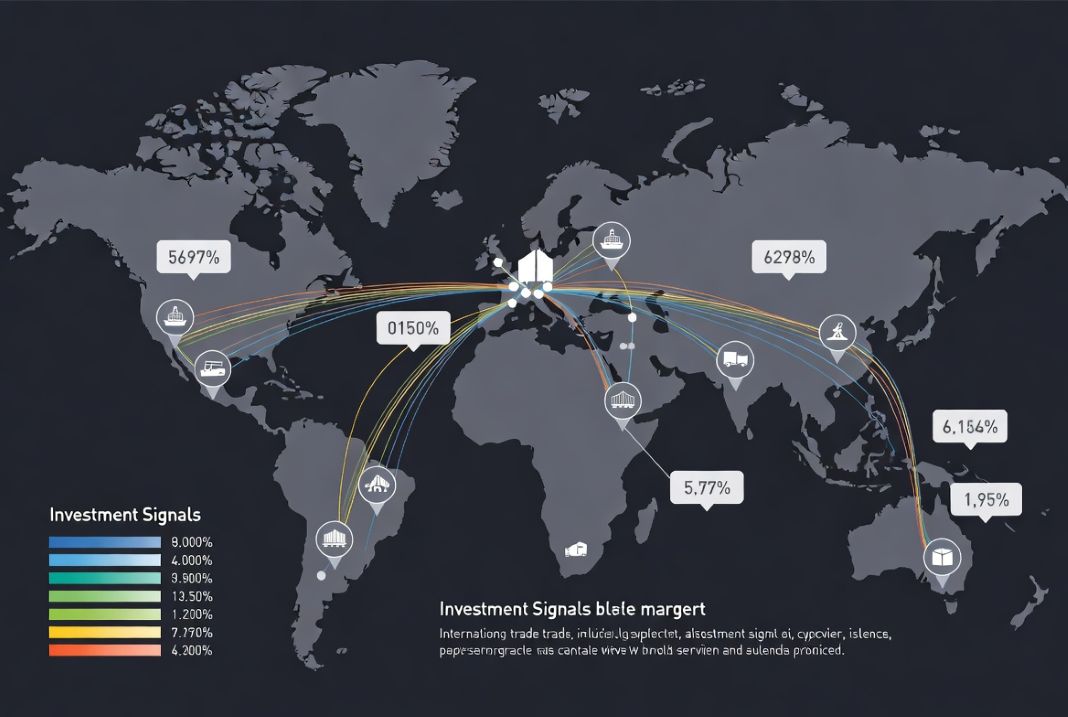
Global supply chain disruptions have been shown to move markets faster than traditional economic reports. Research from McKinsey & Company highlights how inventory shifts and logistics bottlenecks can signal demand changes months before earnings reports reflect them. For investors, this creates an opportunity to act earlier, with better context and sharper timing.
Many investors still rely on lagging indicators such as quarterly earnings or GDP data. Yet combining supply chain visibility with growth marketing insights offers a more forward-looking lens. These data points reveal shifts in demand, customer behavior, and distribution patterns, often before they show up in financial statements.
1. Track Inventory Levels to Spot Demand Changes Early
Rising inventory levels can signal slowing demand, while shrinking stock often points to strong sales momentum. Data from the U.S. Census Bureau shows that inventory-to-sales ratios tend to shift ahead of broader economic cycles. Investors who monitor company disclosures and supplier updates can identify whether a firm is overstocked or struggling to meet demand.
2. Monitor Shipping and Freight Trends
Shipping costs and delivery times reveal a great deal about global demand. During periods of high demand, freight rates typically surge. The Baltic Exchange has long provided freight indices that investors use to gauge global trade activity. When shipping slows, it can hint at weakening consumption before retail data confirms it.
3. Analyze Supplier Concentration Risks
Companies that rely heavily on a single region or supplier are more vulnerable to disruption. The COVID-19 pandemic exposed how fragile these networks can be. Investors who study supplier diversification can better assess risk, especially in industries like semiconductors and automotive manufacturing.
4. Use Consumer Demand Signals from Digital Channels
Marketing analytics, including search trends and engagement metrics, often reflect demand shifts in real time. Data indicates that online search activity can predict product demand weeks in advance. When paired with supply chain data, these signals help investors confirm whether rising interest is being met with adequate production capacity.
5. Watch Lead Times for Production Inputs
Longer lead times for raw materials or components often indicate supply constraints. The Institute for Supply Management regularly reports on supplier delivery times, which serve as an early warning system. When lead times stretch, it can pressure margins and delay revenue recognition.
6. Evaluate Logistics Investments by Companies
Firms that invest in logistics infrastructure, such as warehouses or distribution technology, often signal long-term growth plans. Amazon’s expansion of its fulfillment network is a well-known example of how logistics strategy can support revenue growth. Investors should pay attention to capital expenditures tied to supply chain efficiency.
7. Connect Pricing Power to Supply Constraints
Supply shortages often give companies the ability to raise prices. Research from Harvard Business Review suggests that firms with strong supply positioning can protect margins during inflationary periods. Observing how companies adjust pricing alongside supply conditions can reveal competitive strength.
8. Follow Regional Production Shifts
Manufacturing is increasingly shifting across regions due to cost, policy, and risk factors. Data from the World Bank shows a steady rise in nearshoring and regional supply chains. Investors who track these movements can identify which companies are adapting quickly and which may face disruption.
9. Study Retail Sell-Through Rates
Sell-through rates, which measure how quickly products move from shelves to customers, offer a direct view of demand health. Strong sell-through often leads to restocking cycles, benefiting upstream suppliers. Weak rates, on the other hand, can signal future revenue declines.
10. Align Supply Chain Signals with Earnings Guidance
Corporate guidance often reflects management expectations, but supply chain data can validate or challenge those projections. When companies forecast growth while supply indicators weaken, investors should proceed with caution. Conversely, strong supply signals can reinforce optimistic outlooks.
Conclusion
Supply chains are no longer just operational details, they are strategic indicators that shape investment decisions. By blending logistics data with customer acquisition analytics and broader market intelligence, investors gain a clearer picture of future performance. These insights help bridge the gap between macro trends and company-level outcomes.
Smarter investing, therefore, requires looking beyond traditional metrics. By combining supply chain intelligence with building long-term wealth through disciplined investing, investors can create a more resilient strategy grounded in both data and fundamentals. By paying attention to distribution flows, supplier dynamics, and evolving demand signals, investors can act with greater confidence. As data-driven decision making continues to evolve, those who integrate supply chain intelligence with modern marketing analytics will be better positioned to spot opportunities early and manage risk effectively.